Chemical Peel
A chemical peel uses a special blend of acid solutions to exfoliate the dull, damaged outer layers of skin to reveal smoother, younger looking skin.
 Add to my wish list
Quick Facts
- Light chemical peels typically require very little downtime, with exfoliation complete in 3-7 days
- Deeper peels offer more dramatic results* but may require a few days of downtime to heal
- A pre-treatment course of Retin-A can enhance the results* and help speed healing after a peel
- 1,384,327 men and women had a chemical peel in 2018**
Cost & Recovery
- $100 to $2,900
- Depending on the depth of the peel, you can expect 0 to 7 days of downtime
** Statistical information listed here is drawn from 2018 ASAPS data
New Jersey Skin Resurfacing
Your face and hands can look younger, healthier, and more radiant without surgery. Skin resurfacing treatments can smooth and tighten your skin as well, balance pigmentation and reduce visible effects of aging for skin that appears more vibrant and youthful, enhancing your overall appearance. Skin resurfacing can also remove mild to moderate blemishes, like acne scars. Dr. Parker will be glad to discuss with you various options for facial resurfacing at the Parker Center.
Skin & Aging
Most skin damage can be attributed to some form of aging. Additionally, as we age, our skin slows the rate at which it produces collagen, causing it to lose elasticity and appear thinner and wrinkled. There are two types of skin aging. Intrinsic aging is determined by our genetics, while extrinsic aging is influenced by environmental factors such as sun exposure, cigarette smoking, air pollution, stress, and microorganisms.
Skin resurfacing treats both types of skin aging by removing outer surface layers. More aggressive resurfacing treatments require longer downtime but give more dramatic results. Our patients and Dr. Parker work together to design a plan that balance the desired result with the patient’s tolerance for downtime.
Chemical Peels
A chemical peel is a solution which is painted on the face. It works by chemically removing skin cells in one or more of the outermost layers of skin, which gradually peel away to reveal less damaged skin underneath. The depth of the peel varies by the type and concentration of the chemical solution used and how long it is left on the skin. These are excellent treatments to tone & tighten the skin, improve blotchiness or roughness, and minimize blemishes.
Laser Treatments
Laser resurfacing covers an array of different techniques designed to correct skin irregularities & improve signs of aging. Ablative laser treatments remove the outermost layers of skin to address imperfections and promote healthy skin cell growth. At the Parker Center, we use the Sciton ProFractional, which achieves the desired improvements while only disturbing a fraction of the skin in the treatment area. It utilizes a highly efficient tunable erbium resurfacing laser, which requires much less tissue heating than CO2 lasers. The Sciton laser system can also be adjusted for hair removal, skin tightening, and photo-rejuvenation.
Intense Pulsed Light (IPL)
Unlike lasers, which use a single wavelength, intense pulsed light (IPL) delivers multiple wavelengths to improve the skin’s appearance and correct blemishes. It can be applied to the face, neck or chest. Usually, 3-6 treatments performed at 1-4 week intervals are necessary to achieve the desired result. IPL can do the following:
- Pigment removal and facial rejuvenation—the use of IPL for facial pigment removal is called a fotofacial. This is an excellent method to remove mottled sun damage with minimal downtime. In addition, it gently heats the dermis for collagen regeneration, decreases pore size, and improves skin tone and texture. Patients notice a more beautiful glow to their revitalized, more youthful appearing skin.
- Vascular lesions—IPL can be used to improve the appearance of small blood vessels and the redness associated with rosacea. It also reduces the appearance of freckles, age spots, spider veins, birthmarks and other discolorations.
Microdermabrasion
This technique is a good way to smooth out surface irregularities in the skin surface with little, if any, downtime. During each treatment, a machine blows fine crystals of aluminum oxide onto the surface of the skin, abrading off the shallowest layer. Microdermabrasion offers the following advantages:
- It is performed without sedation or anesthesia
- Acne scars and crow’s feet can be softened over time
- It gives the skin a healthy glow
- It can be used by patients of all ages
- Patients can resume their activities immediately afterwards
Microdermabrasion may require multiple sessions to achieve the desired results. While it can help fine surface irregularities, it is not effective for deeper wrinkles.
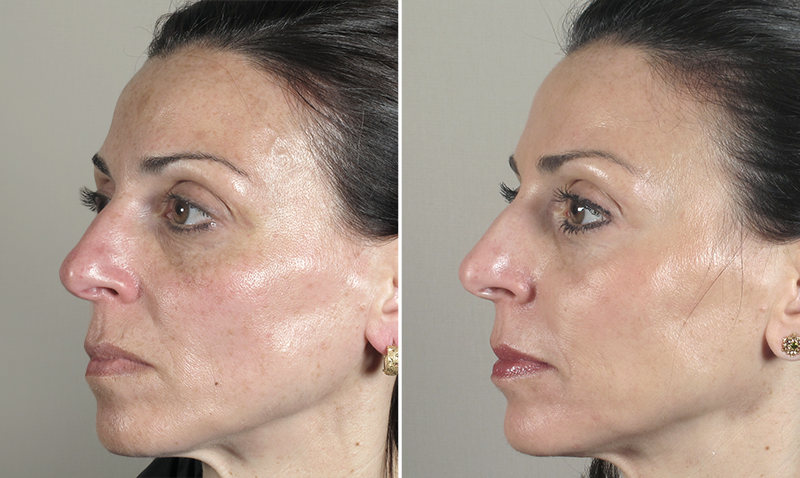
Before & After: Microdermabrasion*
before after
Before and after microdermabrasion, full face
Dermabrasion
This is a powerful technique, most commonly used by Dr. Parker to improve vertical lip lines and acne scarring on the face. He uses a small, hand-held, electric-powered metal wheel which rotates at speeds of 15,000 to 30,000 rpm. Using high power magnifying glasses, Dr. Parker will precisely abrade the skin to the proper depth, smoothing out lip wrinkles or acne scars. This results in “raw” skin in the treated area, which usually heals within 7 days. Dermabrasion can be performed by using topical sprays to anesthetize the area or with intravenous sedation.
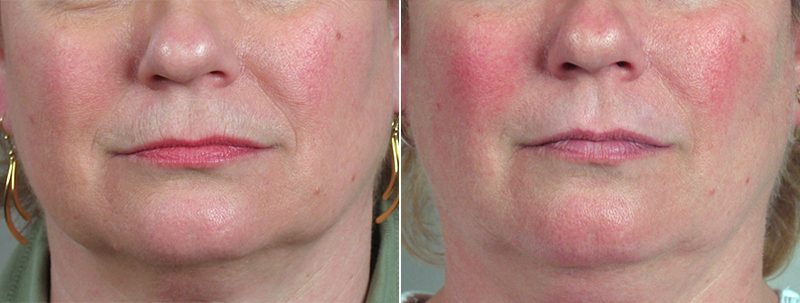
Before & After: Dermabrasion*
before after
Before and after dermabrasion of upper lip area
Medical Grade Skin Care Products
The cosmetic skin care market is a multibillion dollar business surrounded by a great deal of hype. In order to get past all the confusion, let’s consider the basics and talk about scientifically proven ingredients. The goals of basic skin care are:
- Cleansing
- Protection
- Moisturizing
- Preventing skin aging
- Slowing the effects of aging
- Reversing the effects of aging
- Treatment of specific problems
While a lot of products are available, each promising a myriad of benefits, two substances’ effectiveness is backed by valid scientific studies:
- Retinoids. Daily topical application of retinoids will reduce fine lines, coarse wrinkling, improve skin texture as well as reduce skin roughness, pigmentation and sallowness.
- Sunscreens. Over 40 years of research have shown a direct association between sun exposure and photoaging of skin with the development of skin cancer.These same studies show that the use of sunscreen reduces the development of skin cancer and photoaging of the skin.
Experts have recommended that sunscreen with an SPF of at least 30 should be applied every morning, 30 minutes before leaving the house, on all sun exposed areas of the body.
Though the data is not as convincing, Dr. Parker and our on-site Parker Center Medi-Spa team believe that other medical grade products are also effective in providing a comprehensive skin care regimen. These include cleansers, antioxidants, and depigmenting and anti-inflammatory agents. We will be happy to customize a skin care regimen for your individual needs.
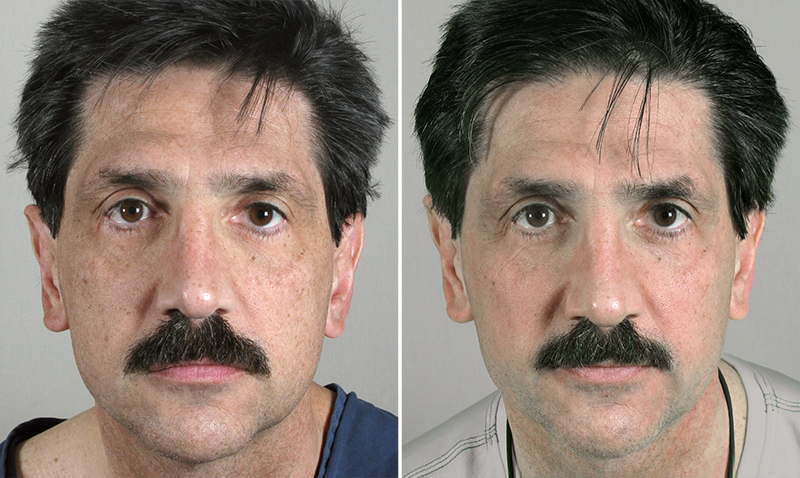
Before & After: Professional Skincare Products*
before after
 163 Google reviews