New Jersey Rhinoplasty
Rhinoplasty
This procedure reshapes the nose to bring facial features into better balance. Dr. Parker is experienced in a variety of techniques to help you change the shape, size or symmetry of your nose.
 Add to my wish list
Quick Facts
- Cartilage and bone are reshaped to achieve a more refined nasal structure
- A complimentary procedure, such as chin augmentation, can enhance your results*
- Rhinoplasty can be performed after the nose is finished developing, typically between age 13-16
- 213,780 patients had rhinoplasty in 2018**
Cost & Recovery
- $6,450 to $11,670
- Patients typically return to normal daily activities about 7 to 10 days after surgery.
** Statistical information listed here is drawn from 2018 ASAPS data
New Jersey Rhinoplasty
A nose out of harmony with the rest of the face can be significant to a patient and alter their self-image. The goal of rhinoplasty (a.k.a. nose job surgery) is to achieve a more refined, natural nasal contour that complements your facial features, while also correcting any internal deformities that may be causing breathing difficulties. For more information, check out our rhinoplasty infographic and more answers to your questions below.
Article Contents
- Understanding the anatomy of the nose
- What issues can rhinoplasty treat?
- How is rhinoplasty performed?
- Your rhinoplasty consultation & imaging session »
- What is the difference between an open and closed rhinoplasty?
- What is a nasal tiplasty?
- Should I get a nose job, a chin implant, or both?
- What is involved in rhinoplasty surgery?
- How long is rhinoplasty recovery?
- How much does a nose job cost in New Jersey?
- How old do you have to be to get a nose job?
Understanding the Anatomy of the Nose
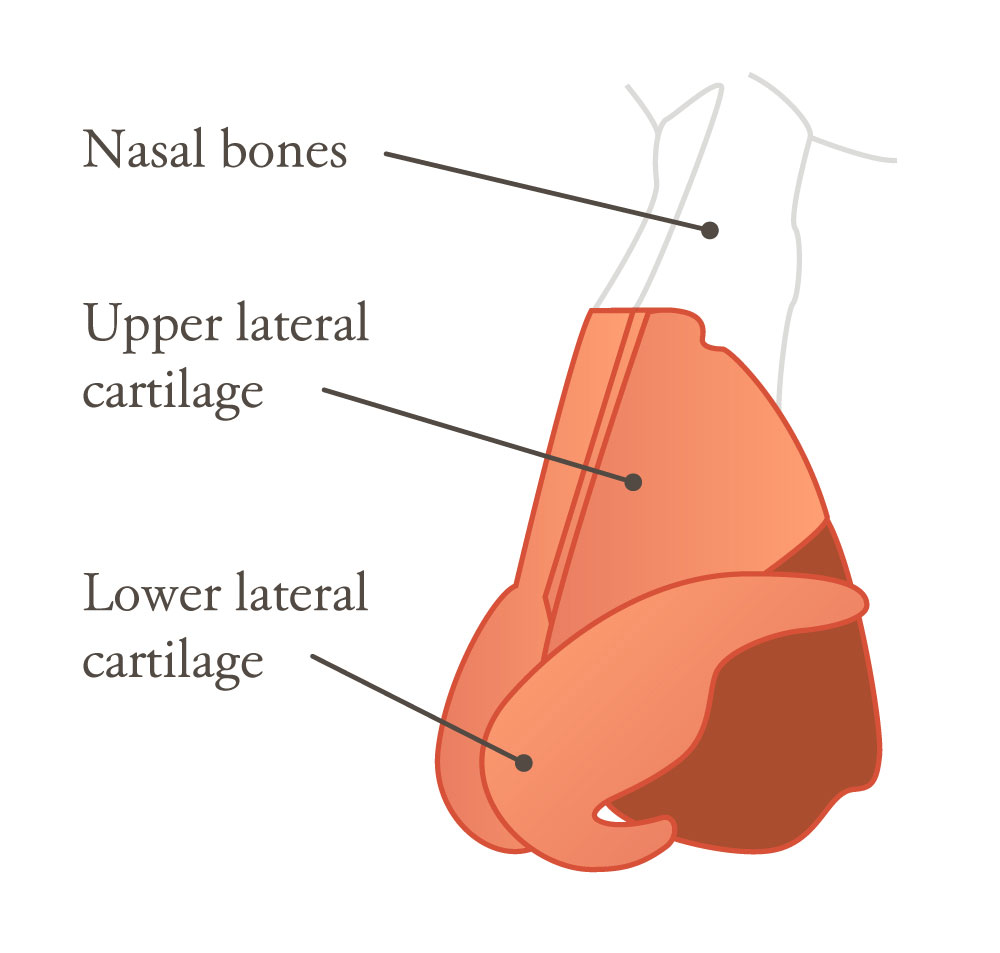
From an anatomy perspective, the nose is a complex structure. The upper 40% of the framework consists of paired nasal bones which are not movable. The lower 60% of the nose is made of movable cartilage. The two nasal passages are separated by the nasal septum which is composed of both bone and cartilage.
What issues can rhinoplasty treat?
Dr. Parker improves the shape of a patient’s nose by changing the shape of their nasal bones and cartilage. He may also correct breathing problems at the same time by correcting the patient’s deviated nasal septum and other related internal nasal structures.
How is rhinoplasty performed?
Depending on your anatomy and the changes you would like to make, Dr. Parker may perform a closed rhinoplasty, open rhinoplasty, or tiplasty. During your consultation, Dr. Parker will explain to you his recommended surgical plan to improve the appearance of your nose. To help you understand your options, we will photograph your face and review computer images of what your nose should look like after surgery.
Your rhinoplasty consultation & imaging session
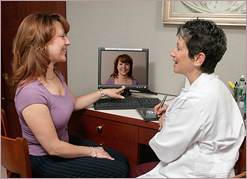 Your consultation is where the fun really begins—and the Parker Center has made the experience particularly special! During your appointment, Dr. Parker will spend extra time with you to ensure that he understands his goals and that you are fully educated about your options so you can make a well-informed decision.
In addition to your time with Dr. Parker, you’ll also have the opportunity to meet with our imaging expert so you can see the possibilities of your procedure. One of the best ways to understand what rhinoplasty can achieve for you is to see a picture of the possible results on your own nose. Using our advanced Vectra 3D technology will give you a very good idea as to how your existing nose can be sculpted to the nose you desire.
What is the difference between an open and closed rhinoplasty?
A closed rhinoplasty uses incisions that are completely hidden on the inside of the nostrils, called the columella. This technique is indicated for adjustments to the nasal bones and cartilage to improve the profile of your nose. If your nasal tip needs reshaping, Dr. Parker will perform an open rhinoplasty. At the same time, if appropriate, deviated septum repair can be performed.
Before & After: Closed Rhinoplasty*
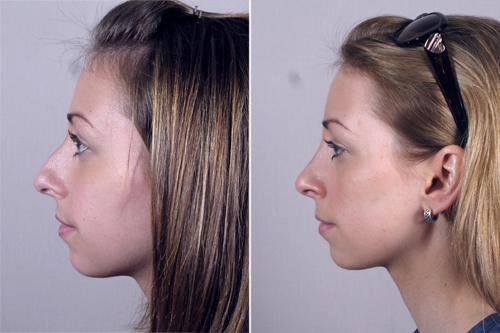
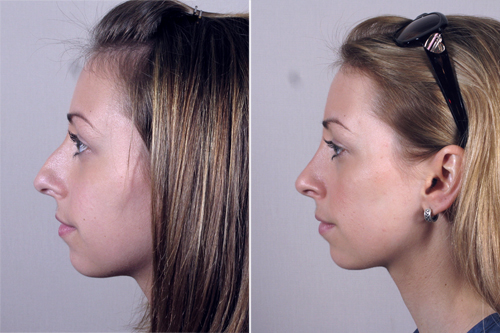 Before & after rhinoplasty[/caption]This 25 year old wanted to correct her dorsal nasal hump, which had developed over time. Dr. Parker performed a closed rhinoplasty to narrow this part of the nose. Click here to see more New Jersey Rhinoplasty
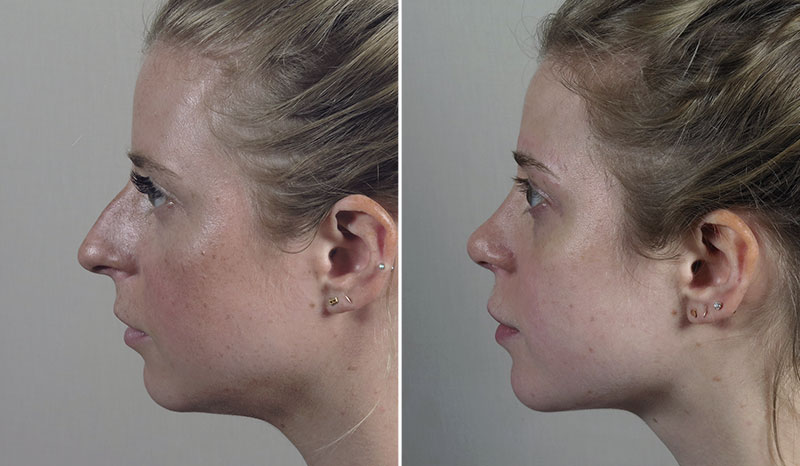
Open rhinoplasty uses a small and inconspicuous incision underneath the tip of the nose and between the nostrils, called the columella. This is connected to incisions inside the nostrils. These cleverly hidden incisions allow Dr. Parker to “open” the nose, providing unparalleled exposure and sculpture of the underlying bone and cartilage very precisely under direct vision.
Before & After: Open Rhinoplasty*
What is a nasal tiplasty?
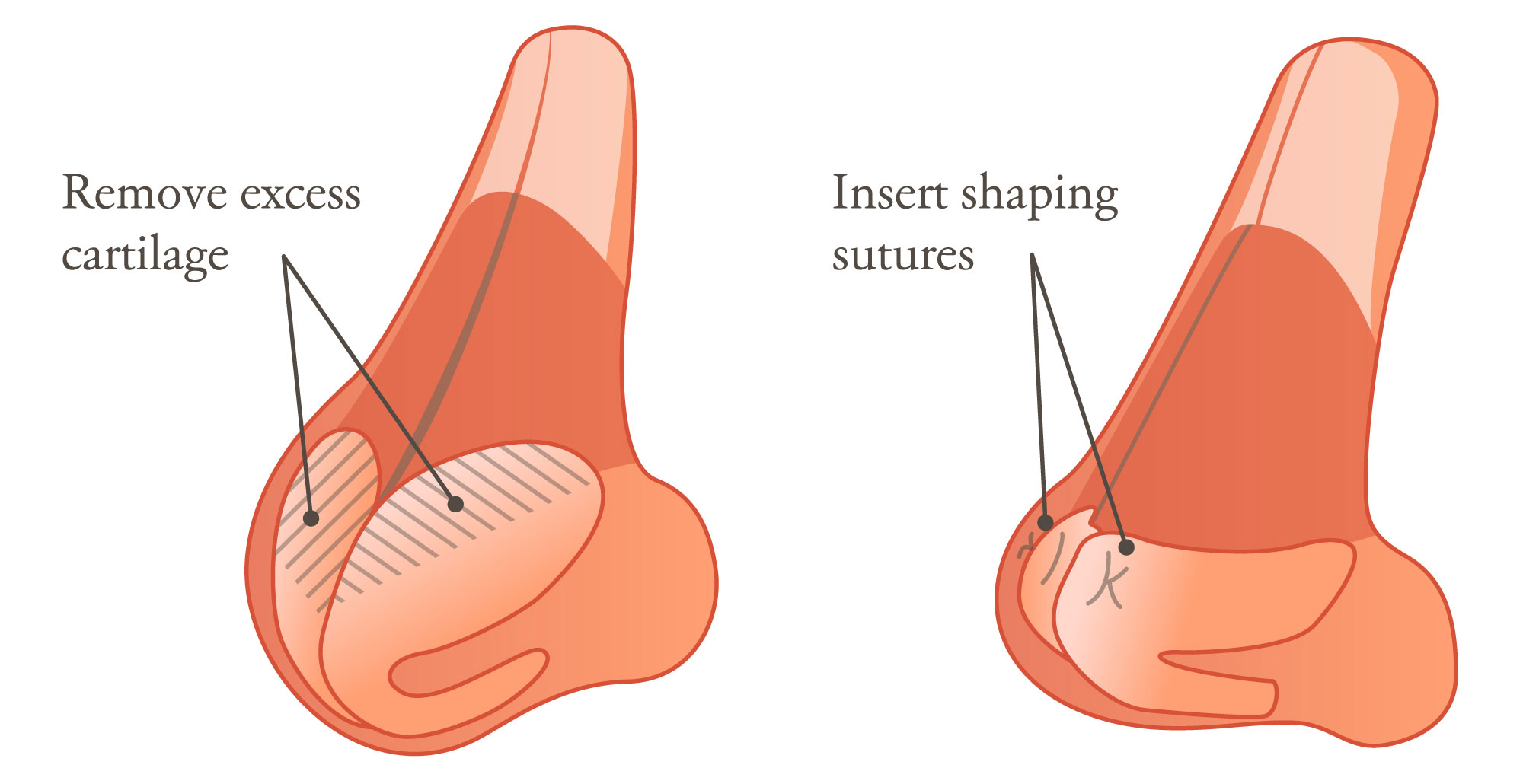
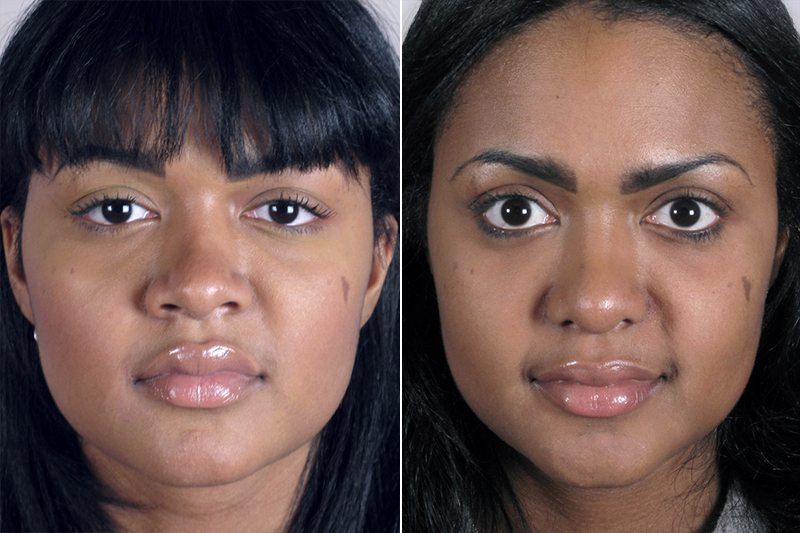
A nasal “tiplasty” involves improving only the cartilage that shapes the tip of the patient’s nose—it is not a surgical technique, but an area of focus. Almost always, Dr. Parker will use the open rhinoplasty approach to achieve the most natural-appearing, symmetric tip he can.
Before & After: Tiplasty with Nostril Reduction*
Secondary Rhinoplasty
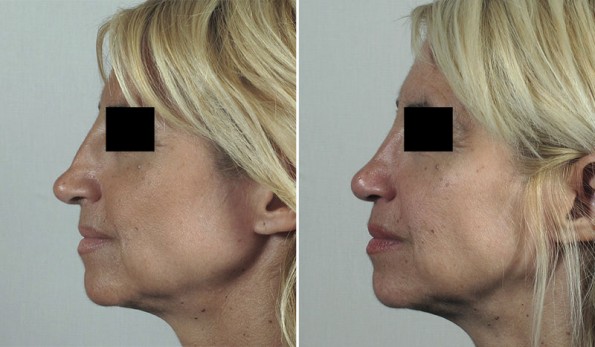
As part of Dr. Parker’s rhinoplasty practice, he will often see patients for secondary rhinoplasties. These surgeries are performed to correct deformities from prior rhinoplasty surgery and are typically more complicated than primary, or first-time, rhinoplasty. Secondary rhinoplasty surgeries are almost always performed after waiting at least 12 months following the prior procedure.
The intricate nature of the structures which shape the nose, as well as scar tissue from prior surgery, most commonly makes a secondary rhinoplasty an especially tricky and complex procedure. Accordingly, Dr. Parker almost always employs an open rhinoplasty technique for these surgeries. Cartilage grafts are often needed to replace or support the nose as part of a secondary rhinoplasty procedure.
The best rhinoplasty is one that will not have to be redone. Dr. Parker’s revision rate following rhinoplasty surgery is in the range of 5-10% and, most often, are needed simply for rasping dorsal callus.
Before & After: Secondary Rhinoplasty*
Should I get a nose job, a chin implant, or both?
Balanced facial features are the hallmark of an attractive face, particularly a refined facial profile, so sought after in today’s “selfie” pictures. Together, the nose and chin are important in helping determine your profile. A chin augmentation at the same time as rhinoplasty can help achieve better facial balance. This combination procedure is performed in approximately 20% of Dr. Parker’s rhinoplasty patients and adds no extra recovery time.
Before & After: Rhinoplasty & Chin Augmentation*
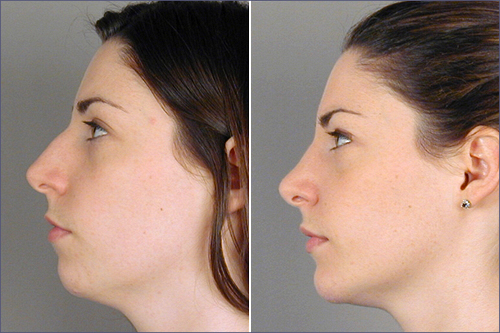
This patient had a custom-fit chin implant inserted during the same surgery as her rhinoplasty procedure. Note the more refined jawline and improved balance in facial features.
In addition, rhinoplasty procedures are commonly combined with eyelid rejuvenation or neck contouring. This allows the patient to have multiple areas corrected during one surgery with only one anesthesia and recovery. Usually, the recovery is similar whether one or more procedures are performed.
Before & After: Rhinoplasty & Eyelid Surgery*
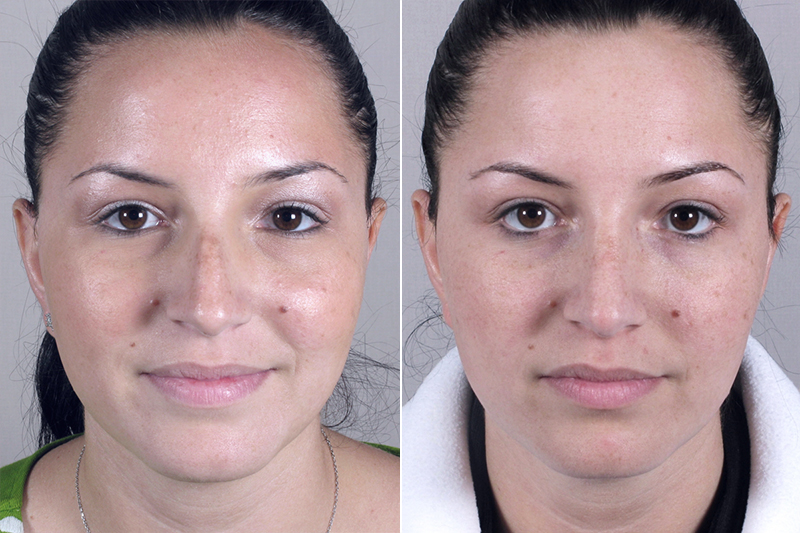
This patient had a lower lid blepharoplasty performed in addition to a closed rhinoplasty.
What is involved in rhinoplasty surgery?
For your safety, Dr. Parker performs rhinoplasty using general anesthesia. Surgery may take anywhere from 30 minutes to 2 hours, depending on the degree of complexity. You will be able to go home about an hour after surgery. There is usually little pain.
Several sutures are inserted in the columella and a light plastic splint applied to protect the nose. Packing is never inserted because patients don’t like it and it is unnecessary. The columellar sutures and external splint are removed one week after surgery. Swelling and discoloration usually subside within seven to ten days.
How long is rhinoplasty recovery?
Rhinoplasty recovery occurs progressively over time. Swelling and bruising are most intense in the first week after surgery. During this time, you will be wearing a plastic splint to protect the nose as it heals. When the splint is removed at 7 days after surgery, swelling and some bruising will be present. Patients, however, are excited to see the improved shape of the nose even this early on in the recovery.
Though timeframes vary from patient to patient, most patients go back to work and social activities about 1 to 2 weeks after rhinoplasty surgery. They can gradually resume exercise after 2 to 3 weeks (at least 4 to 6 weeks for swimming and contact sports). Camouflage make-up can be applied ten days after rhinoplasty surgery. Much of the swelling will be gone in 2-3 weeks after surgery. It often takes approximately a year for the last 10% of the swelling to disappear.
We will spend time during your pre-op education visit to carefully walk you through the details of recovery following your rhinoplasty.
“I had my rhinoplasty done by Dr. Parker in June 2012. Dr. Parker is a compassionate doctor with great bedside manner and his staff are wonderful. It’s been a year since my surgery, my nose has healed with no problems and I am more than happy with the outcome. I would highly recommend Dr. Parker to anyone that is interested in getting plastic surgery.”Rhinoplasty Patient
Our Signature Rapid Recovery Program at the Parker Center
Most of our patients lead active lives and are anxious to return to their activities as soon as possible after surgery. As part of our unique Rapid Recovery peri-operative program, we have tailored our surgical procedures, anesthesia, medications, and post-operative massage and skincare to minimize post-operative discomfort and accelerate recuperation. During both your consultation with Dr. Parker and in your pre-op education visit with our Nurse Educator, your anticipated recovery will be discussed in detail.
How much does a nose job cost in New Jersey?
At the Parker Center, the cost of rhinoplasty typically ranges between $6,450 and $11,670. Your total cost will depend on your anatomy, your goals with surgery, the extent of the procedure necessary to achieve your desired results. At your consultation with Dr. Parker, we will provide a detailed price quote including surgeon’s fees, operating room and anesthesia costs, supplies, and pre- and post-operative care.
How old do you have to be to get a nose job?
Nose reshaping is one of the most common procedures requested by teenage patients. Having a nose that is in proportion to your features can help you feel better about the way you look, but it is important to approach your decision thoughtfully. Rhinoplasty can only be performed safely and successfully after the nose has finished developing, typically by age 13-14 for girls and 15-16 for boys.
 163 Google reviews